
What to do when the Check Engine light comes on

Author

If the Check Engine light comes on during a trip, check whether it is flashing or steady and pay attention to how the car is running. A flashing light, sudden loss of power, or a shaking engine calls for a safe stop. If the light is steady and the car feels normal, pull over when it is safe to do so and check the car with inCarDoc. Make sure there are no urgent faults before deciding whether to continue.
What should I check first?
Look at the dashboard. Check whether any other warning lights are on, as they may help identify the underlying problem. Look for a temperature gauge in the red, an oil pressure warning, and, in some cars, powertrain or traction control warnings. If the engine is overheating or the oil pressure warning comes on, pull over safely and switch off the engine.
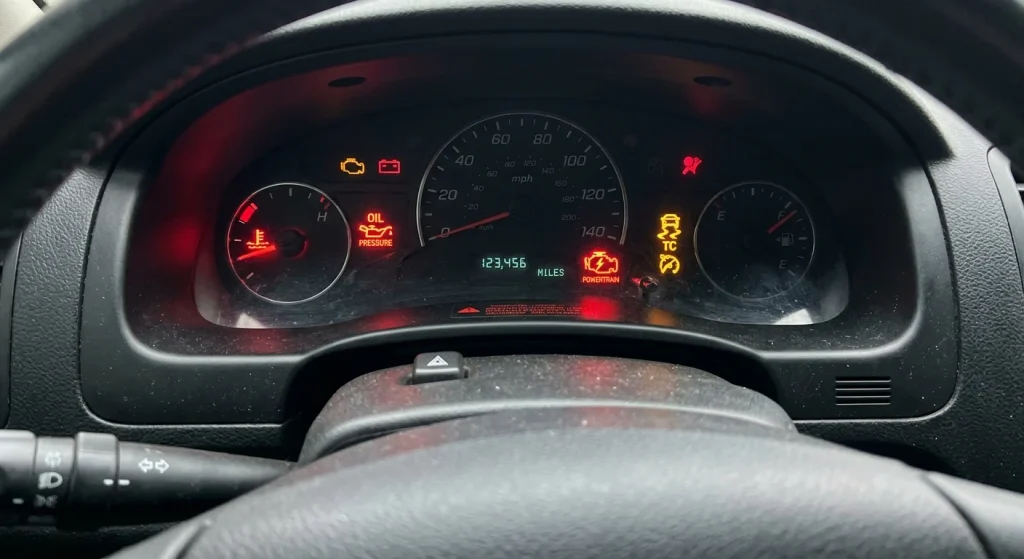
Notice how the car feels. If it shakes, loses power, makes a loud knocking sound, or produces smoke or steam, stop as soon as you can safely do so and call roadside assistance.
Think about your last fuel stop. If the light is steady and you recently refuelled, check that the fuel cap is secure once you are parked, if your car has one. A loose cap can trigger the light, and it may take several trips for the warning to go out after you tighten it.
Can I keep driving with the Check Engine light on?
How can I find out whether it is safe to keep driving?
Once you are safely parked, plug a compatible OBD2 adapter into your car, connect it to inCarDoc, and open Diagnostics. Scan the car for trouble codes to help identify the cause of the warning. Review the detected codes and their descriptions to understand the potential severity of the problem and help decide whether to continue driving or seek roadside assistance. A code alone cannot confirm that the car is safe to drive.
Some trouble codes can be cleared. If a fault was temporary and its cause is no longer present, the warning may not return. However, clearing a code does not repair a sensor or resolve the underlying problem. If the fault persists, the Check Engine light may remain on or come back on.
The app reads stored trouble codes and shows their descriptions. When the vehicle provides freeze-frame data, you can also see a snapshot of operating conditions when the fault was recorded. Save the code and any available data before clearing anything so you can share them with a mechanic.
Trouble codes that may require you to stop driving
P0217 — Engine Over Temperature. Pull over safely and switch off the engine if the temperature gauge is in the red or an overheating warning is on.
P0524 — Engine Oil Pressure Too Low. The engine control module has detected oil pressure below its minimum threshold. Pull over safely and switch off the engine. Once it is safe, check the oil level according to the owner’s manual. Do not continue driving if the low oil pressure warning persists; seek roadside assistance.
P00B7 — Engine Coolant Flow Low/Performance. Insufficient coolant flow can lead to overheating and serious engine damage. Stop safely if the engine is overheating.
P0480 — Cooling Fan 1 Control Circuit. A cooling fan control fault can lead to overheating. If the temperature rises or an overheating warning appears, pull over safely and switch off the engine.
Take care of your car with inCarDoc.
Diagnose your car with inCarDoc
Read trouble codes, review diagnostic data, and monitor vehicle parameters directly from your phone.